



Your Custom Text Here
Bronx Zoo | Bronx, New York | 2013
Exhibits Specialist | Wildlife Conservation Society
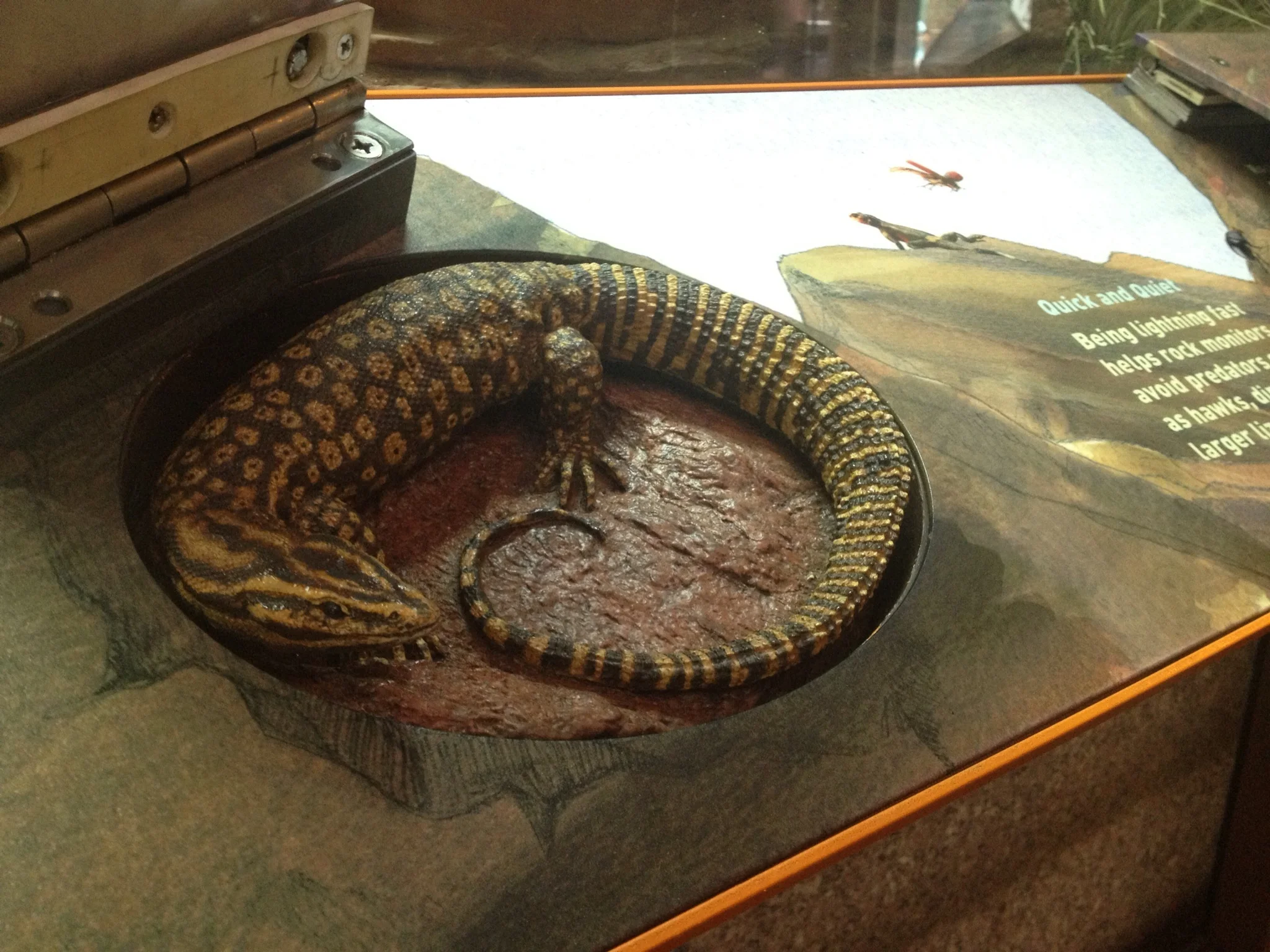
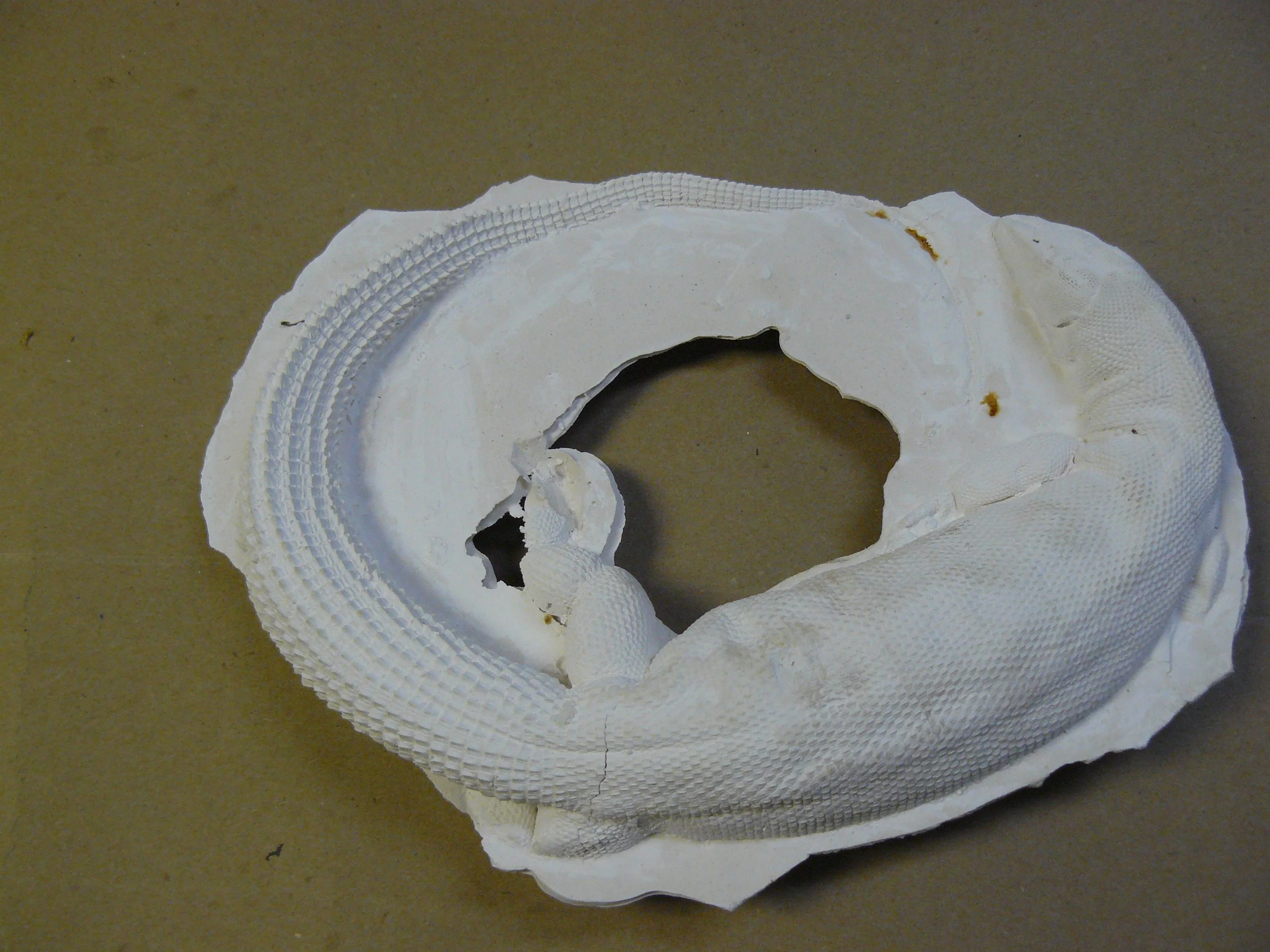
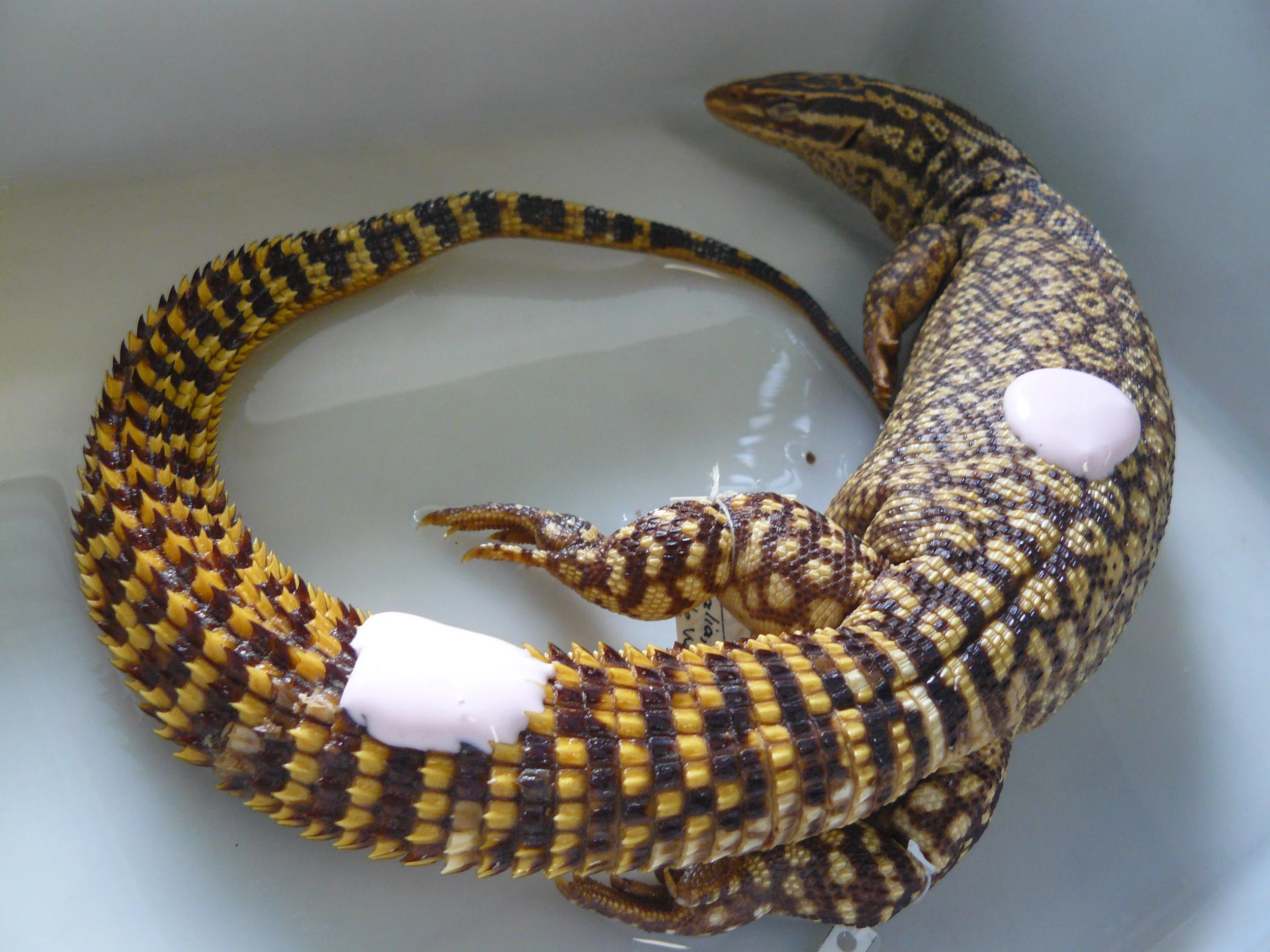
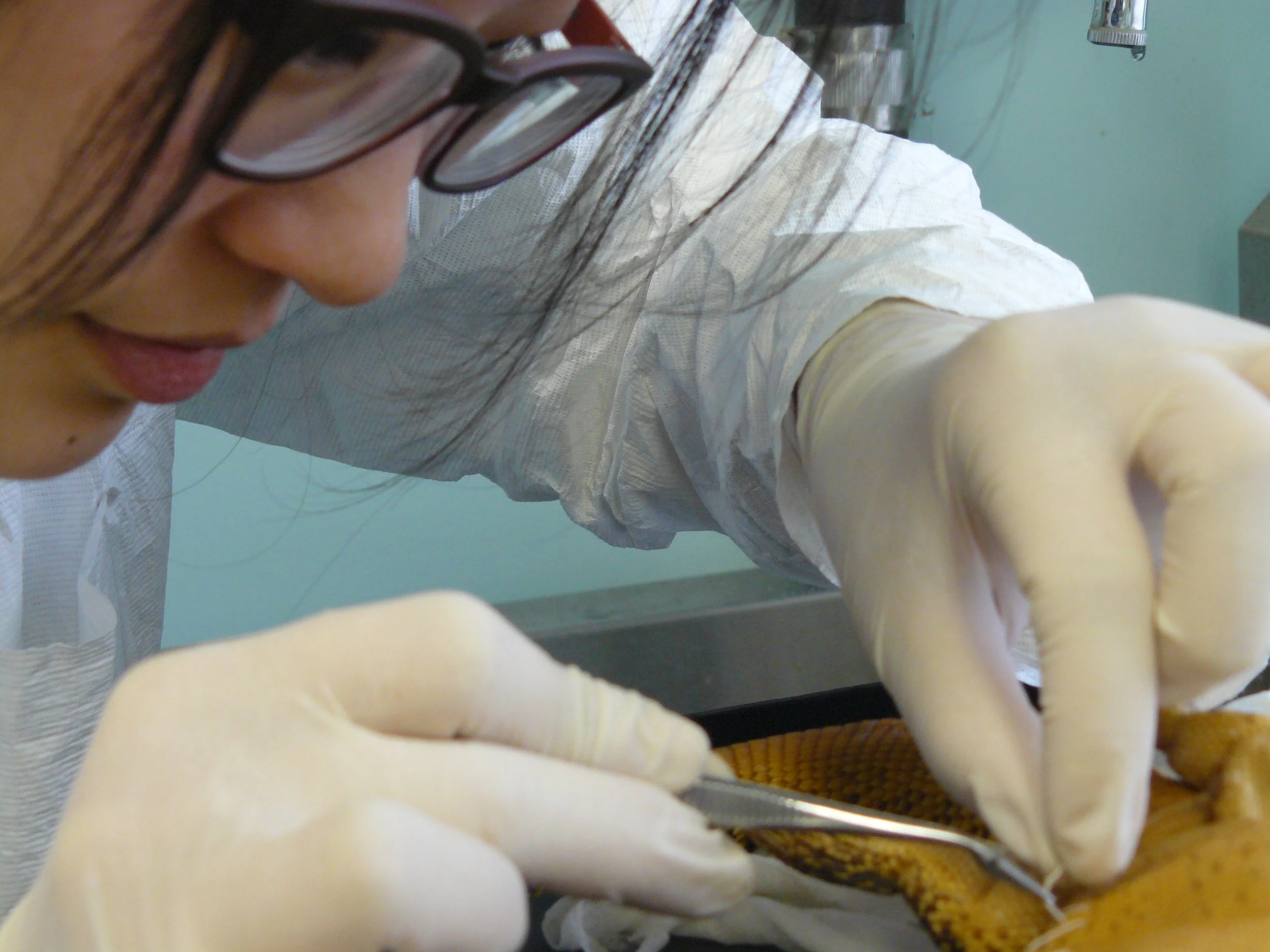
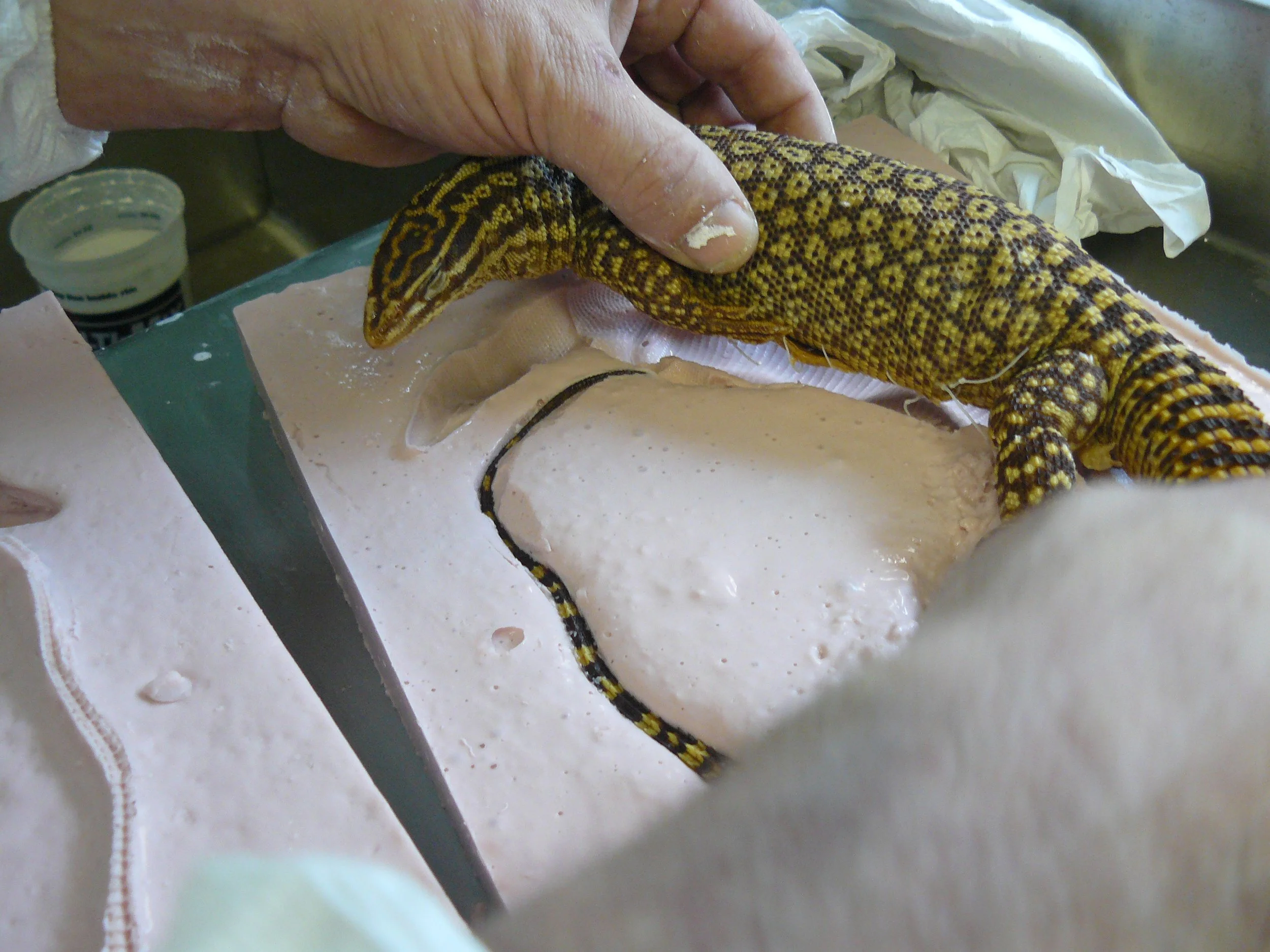
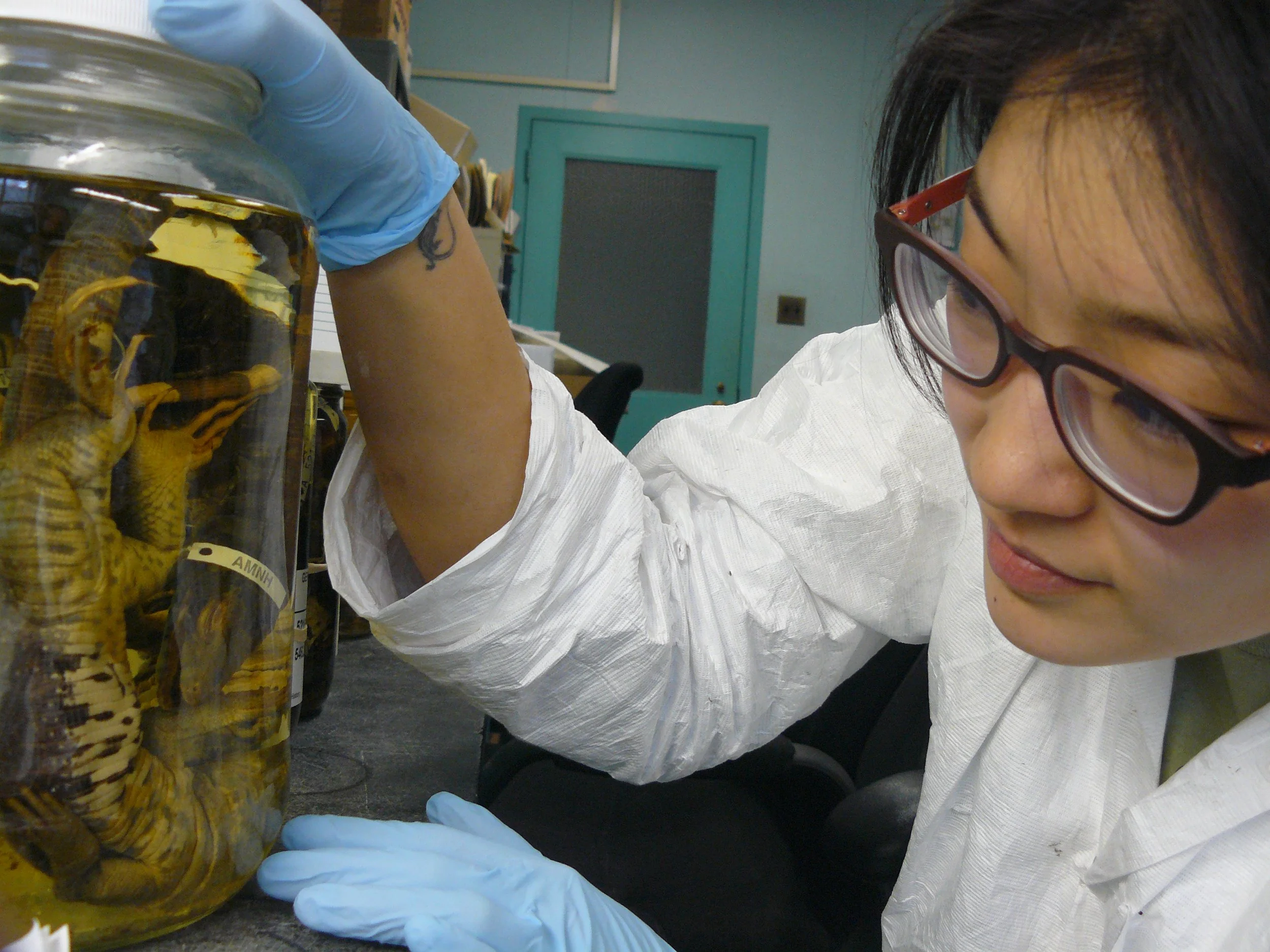
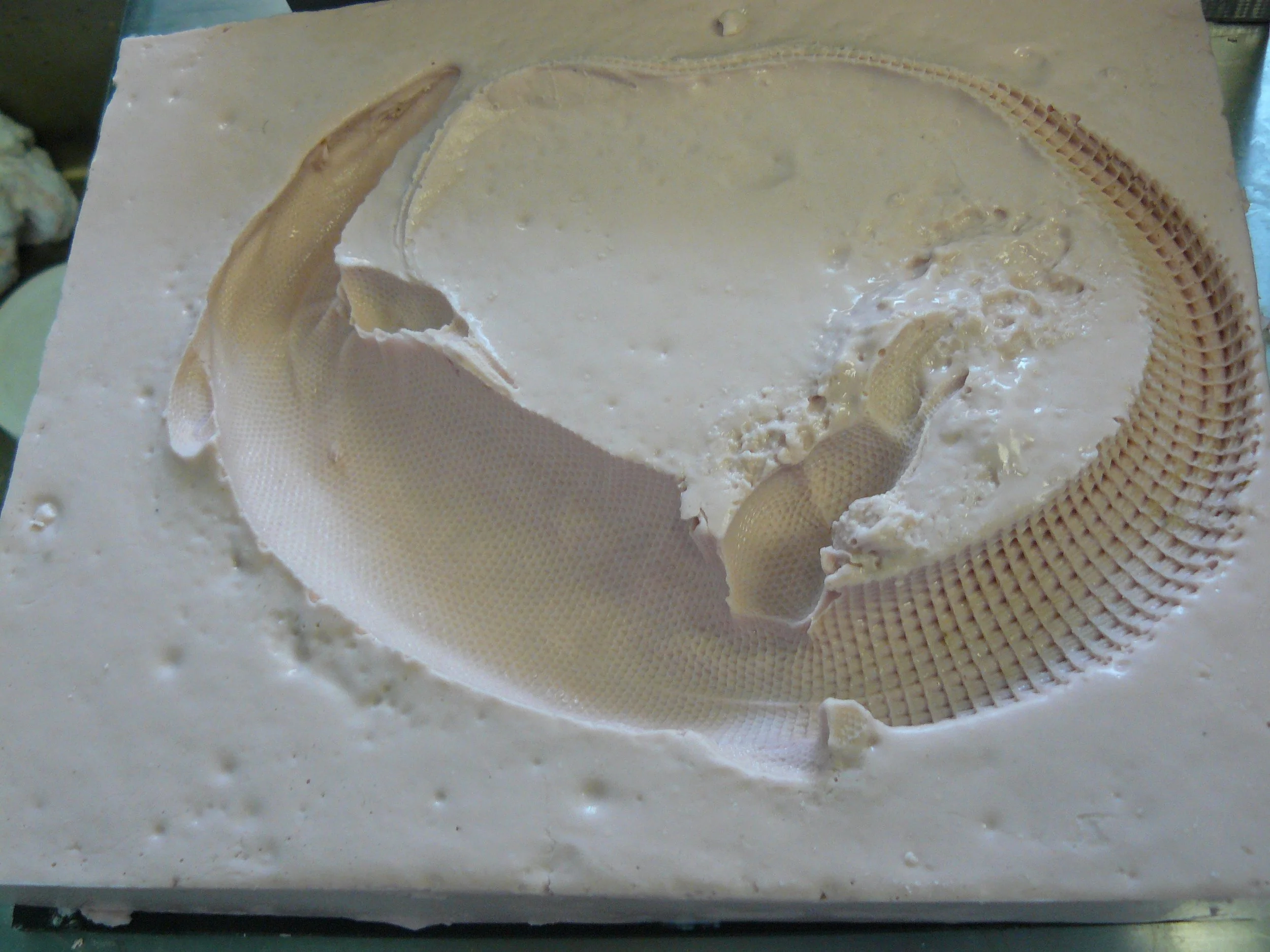
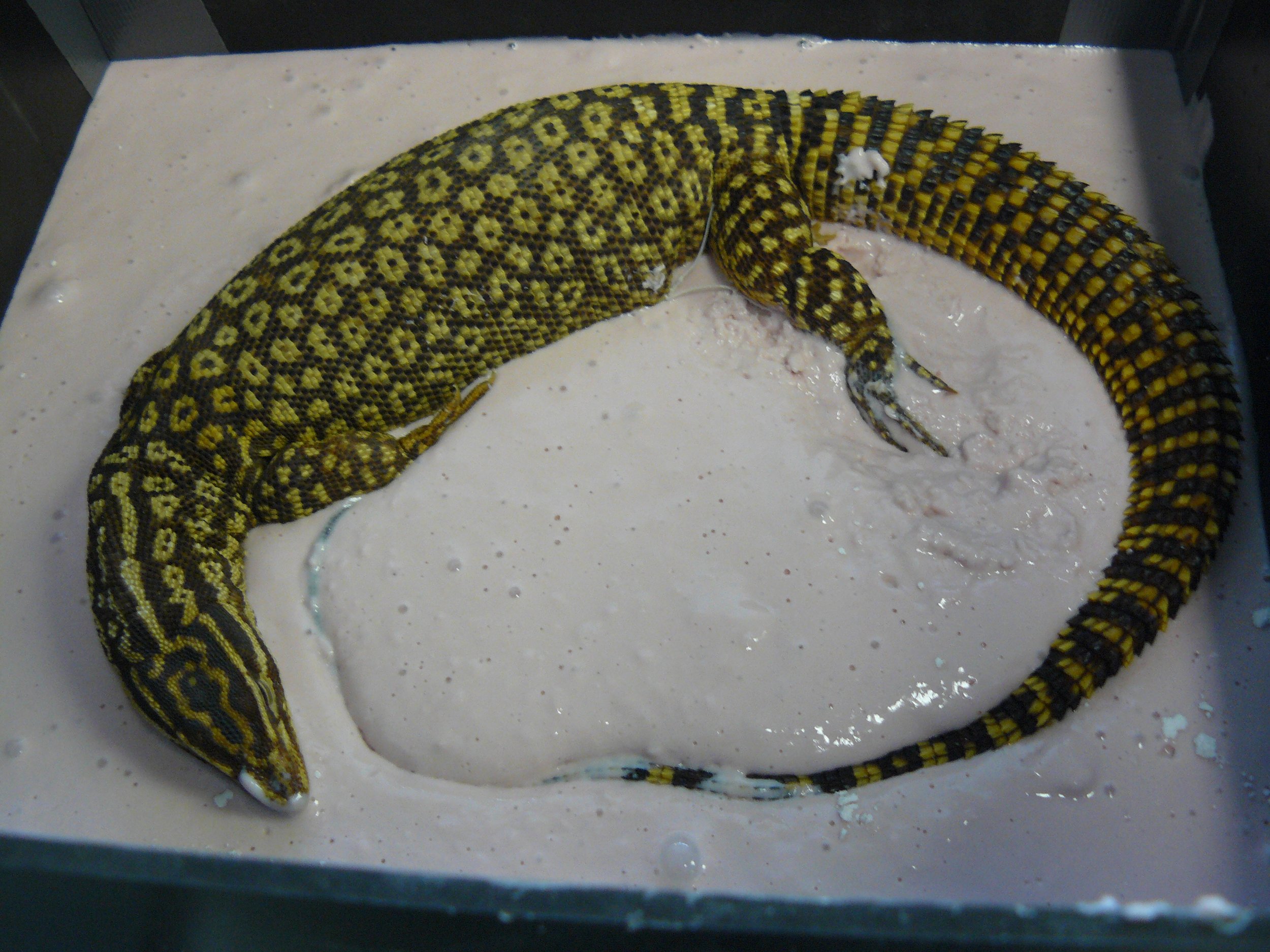
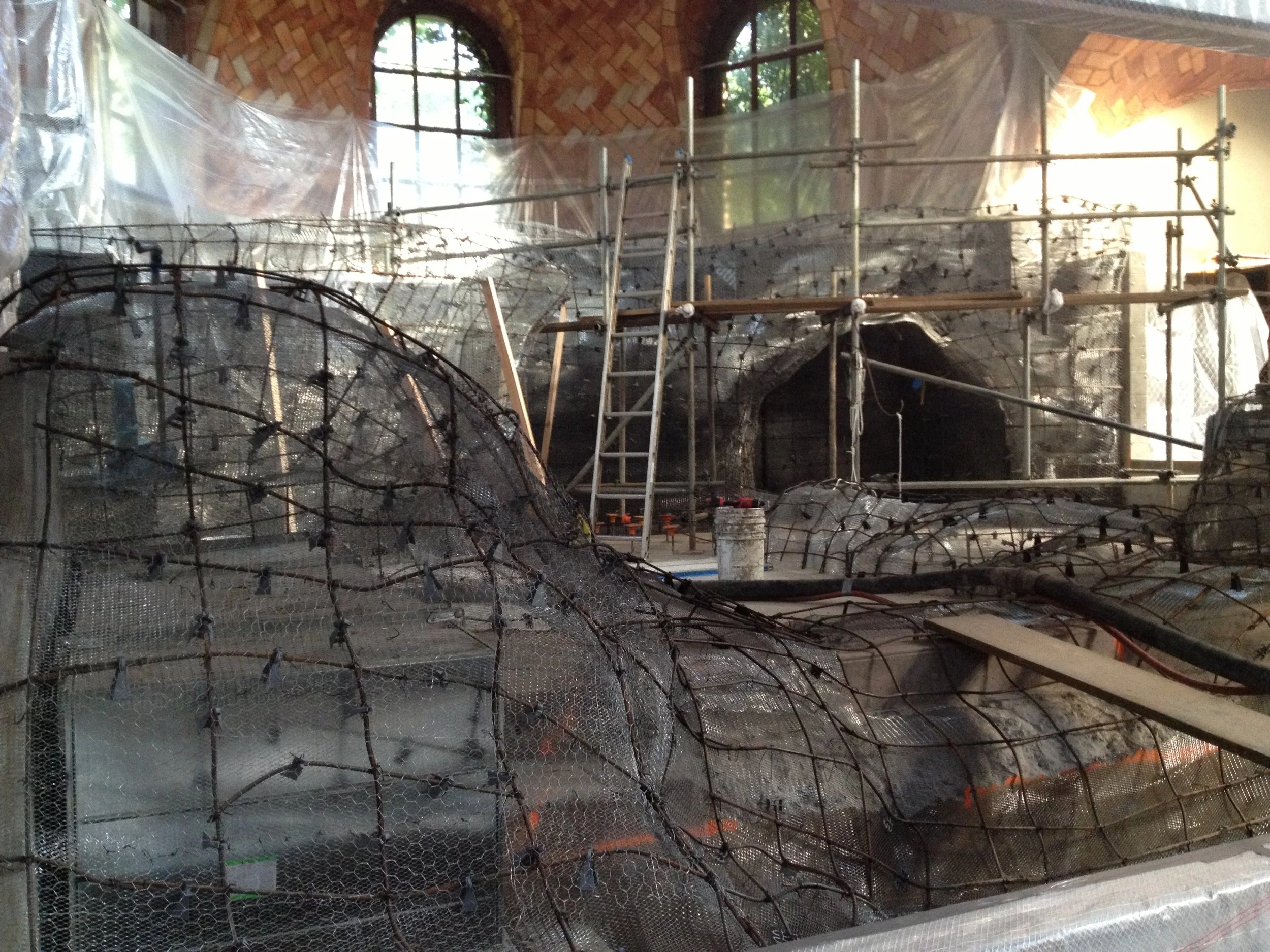
As an exhibits specialist with the Wildlife Conservation Society, I loved bringing science and storytelling together for the public. A career highlight was collaborating with the Bronx Zoo and the American Museum of Natural History to cast endangered spiny-tailed lizard specimens, hand-painting micro-replicas for tactile public handling, and sculpting interactive elements like touchable serrated teeth for the Komodo dragon exhibit.
Press coverage: The New York Times
‘While zoo visitors will most likely be paying attention to the three Komodo dragons (siblings, nearly six feet long and still growing) and smaller lizards on display, the animals’ environments are works of art in themselves. Hand-sculptured and hand-painted, the backdrops are the result of months of labor by the zoo’s exhibit specialists. There are fabricated sandstone cliffs from northern Australia, a rain forest from New Guinea (complete with waterfall) and pandanus trees emerging from that swampy billabong (an isolated pond that is left behind when a river changes course). The herpetologists may care for the stars of the exhibit, but the artists create the sets that show them off to maximum effect.
“These guys work in the shadows,” said Jim Breheny, director of the zoo. “But they’re the ones who sweat all the details and help us create the illusion of a naturalistic habitat. I don’t think the visitor is necessarily conscious of the fact that there is lichen on the side of the tree. But it all goes into the impression one gets about the animal and where it lives.” ’ - New York Times